Health Check Up in Korea: Full Body Medical Checkups for Foreigners

Precision Diagnostics, Systematic Cancer Screening, Rapid Examination, and Dedicated Support for Foreign Patients — The Strengths of Korean Health Check-ups
A health check up in Korea is not simply about “taking as many tests as possible.” Clinically, it belongs to the field of preventive medicine — proactively detecting early warning signs of disease before symptoms appear. In other words, the core purpose of a medical checkup is to identify abnormal findings early through imaging, blood analysis, endoscopy, and other screening tests before the patient becomes aware of any symptoms.
Against this backdrop, more international patients are choosing to travel to Korea for a full body medical checkup. The reason is not only that the cost can be reasonable compared to some countries, but that Korea’s medical infrastructure itself meets a clinically reliable standard.
For foreign patients, the competitive edge of a medical check up in Korea can be summarized in four pillars: ① precision diagnostic equipment, ② a systematic cancer screening system, ③ rapid examination workflows, and ④ dedicated support systems for international patients. Let’s take a closer look at each of these strengths.
1. Precision Diagnostic Equipment — Imaging Infrastructure Ranked Among the Top in the OECD
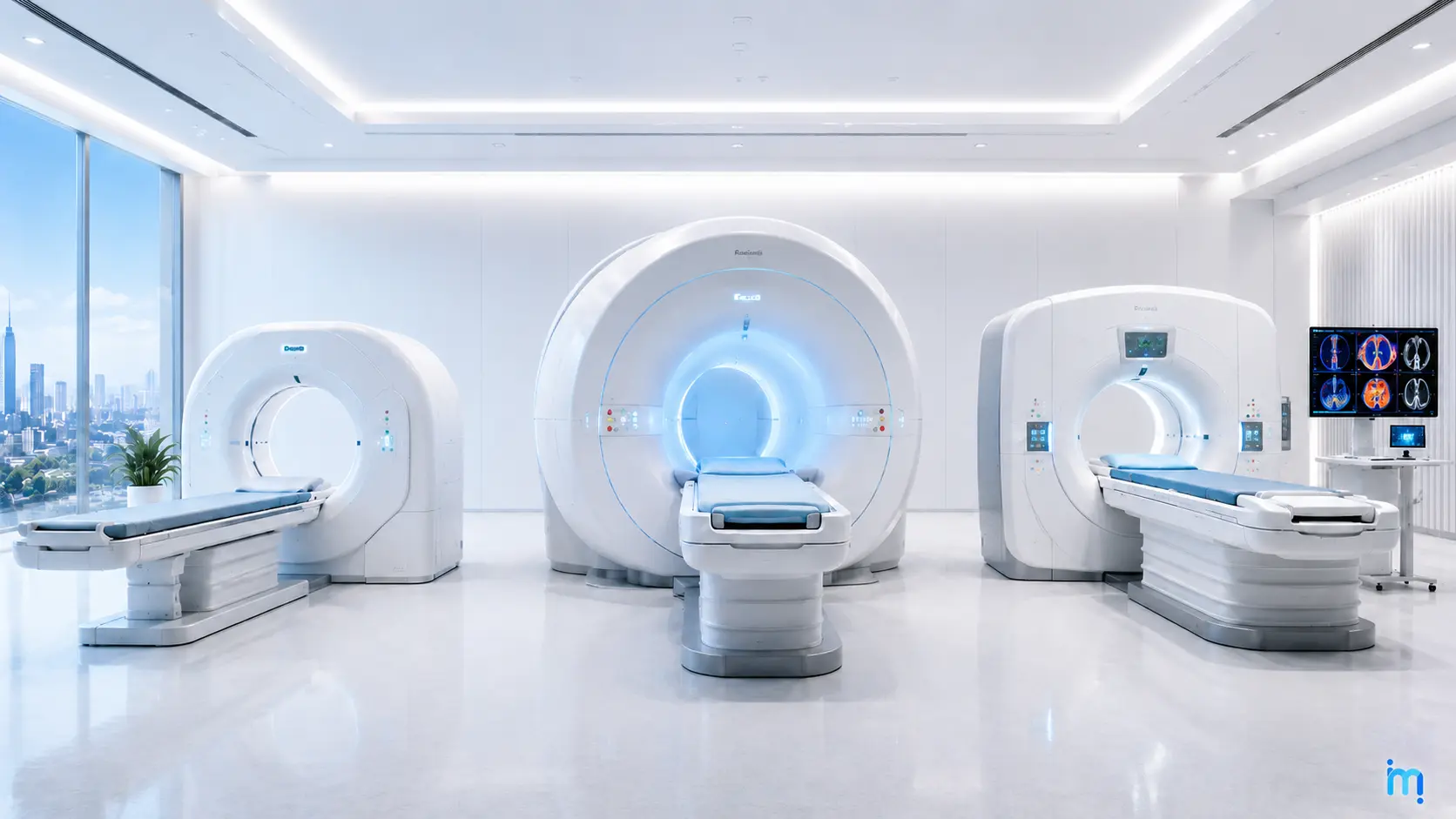
The accuracy of a health check up ultimately depends on how precisely doctors can look inside the body. Even for the same tumor or abnormal finding, the possibility of early detection can change dramatically depending on the equipment used and the resolution of the images obtained.
For this reason, the volume and modernization level of imaging equipment are among the most direct indicators of a country’s screening capability, especially for patients considering a comprehensive health checkup package in Korea.
According to the OECD Health at a Glance 2025 report, Korea’s adoption rate of imaging diagnostic equipment significantly exceeds the OECD average.
Category | Korea | OECD Average |
CT · MRI · PET equipment (per million population) | 87 units | 51 units |
CT scanners | 44.5 units | 30.4 units |
MRI scanners | 37.5 units | 20.6 units |
Hospital beds | 12.6 beds | 4.2 beds |
What deserves attention is not merely the numerical advantage, but the practical difference this creates in clinical practice. Greater equipment capacity can mean shorter waiting times for examination appointments, faster access to additional precision testing when needed, and more frequent replacement cycles with newer diagnostic equipment.
For patients visiting Korea on a short schedule, this matters. A well-equipped screening center can make it easier to complete core tests, including CT, MRI, ultrasound, endoscopy, and cancer screening, within a more efficient schedule.
Key takeaway: Korea ranks among the top-tier OECD member countries in both the volume and modernization level of imaging equipment. This is one reason many international patients consider Korea a strong destination for full body health checkups, preventive screening, and early cancer detection.
2. Systematic Cancer Screening — Customized Precision Screening for Foreign Patients
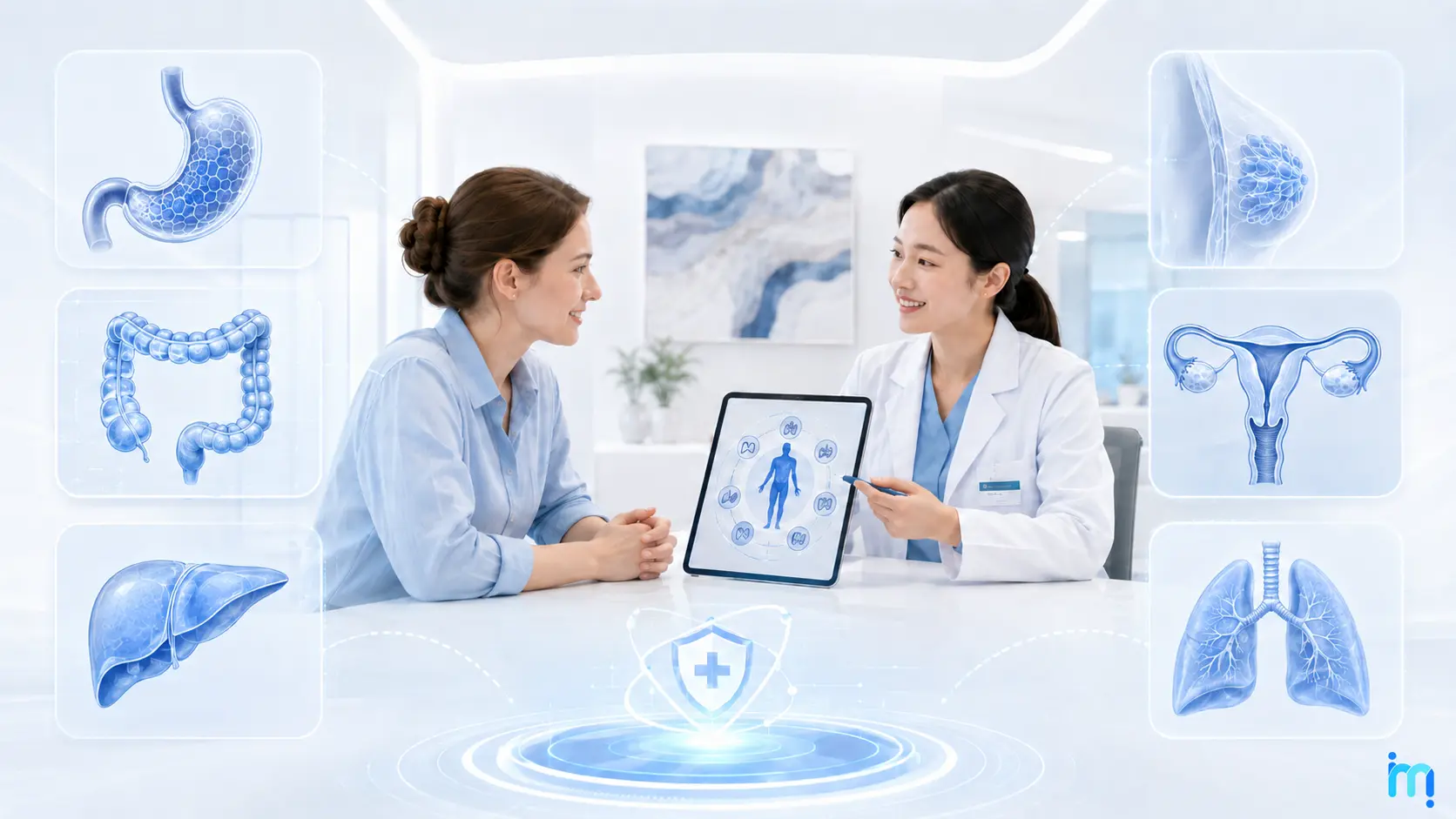
One of the greatest strengths of a health check up in Korea is how systematically the cancer screening component is organized. Korea has long developed standardized screening protocols for major cancers, including stomach cancer, colorectal cancer, liver cancer, breast cancer, cervical cancer, and lung cancer. This accumulated clinical experience is directly reflected in the comprehensive medical checkup programs offered by major Seoul hospitals and premium health screening centers.
Since 2019, Korea’s national cancer screening program has operated under a six-major-cancer framework. This provides an important foundation for how cancer screening in Korea is structured and customized.
Korea’s comprehensive health checkups have a clear clinical advantage because the required cancer screening tests can be selected based on each patient’s age, sex, family history, smoking status, symptoms, and prior medical history. For foreign patients, this means a full body medical checkup in Korea can be tailored to their actual risk factors rather than simply adding unnecessary tests.
Major Cancer Screening Items Commonly Used in Korean Health Check-ups
Cancer Type | Primary Screening Method | Typical Candidates |
Stomach Cancer | Gastroscopy; biopsy if needed | Adults 40+ or those with gastrointestinal symptoms / family history |
Colorectal Cancer | Fecal occult blood test, colonoscopy | Adults 50+ or those with family history / history of polyps |
Liver Cancer | Abdominal ultrasound, serum AFP test | High-risk groups including Hepatitis B/C and liver cirrhosis |
Breast Cancer | Mammography, breast ultrasound | Women aged 40+ or those with family history |
Cervical Cancer | Cervical cytology (Pap smear), HPV test | Adult women, especially those with HPV risk factors |
Lung Cancer | Low-dose chest CT | Long-term smokers or other high-risk groups for lung cancer |
In particular, major cancer screening centers in Korea operate comprehensive programs designed for early cancer detection. These programs use a wide range of diagnostic equipment, including gastroscopy, colonoscopy, PET/CT, MRI, and MRA.
For international patients, this is especially important because many people travel to Korea with limited time. A well-organized Korean health screening package can allow several major cancer screening tests to be completed within one visit, while still connecting patients to specialist care if abnormal findings are discovered.
Three Key Benefits for Foreign Patients in Korean Cancer Screening
# | Key Benefit | What It Means for Foreign Patients |
① | Efficient Examination Schedule | Multiple tests can be completed in one visit within a short stay in Korea |
② | Quick Connection to Specialist Care | Based on screening results, patients can be promptly referred to the appropriate specialist department |
③ | Clear Communication of Results | English-language reports, interpretation services, and international healthcare centers ensure patients fully understand the process and findings |
Key takeaway: Korean cancer screening is not just a checklist of tests. It is a customized preventive medicine service built on standardized screening experience for major cancers and supported by precision diagnostic infrastructure. Foreign patients can experience the true strength of a medical check up in Korea by receiving the cancer screening tests they actually need, based on their age, sex, family history, lifestyle, medical background, and travel schedule.
3. Rapid Examination — The Clinical Difference Made by Screening Without the Wait
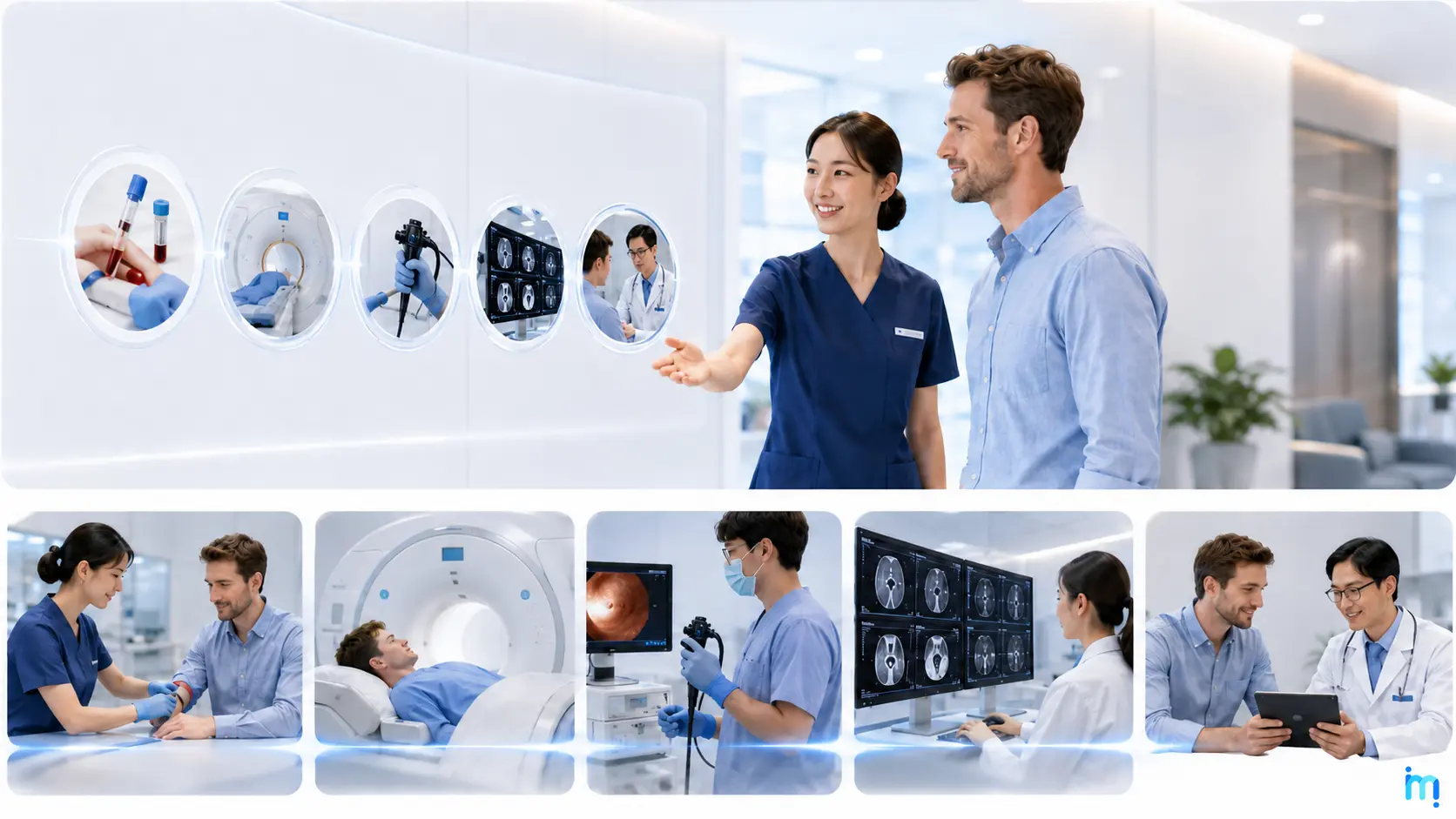
One of the most practical reasons international patients choose a health check up in Korea is speed. In many countries, including the United States, the United Kingdom, Canada, Australia, and others, it is common to wait weeks or even months for precision tests such as MRI, CT, endoscopy, or colonoscopy. Comprehensive medical checkups may also need to be booked several months in advance.
During that waiting period, patients are often left with the anxiety that “there might be something wrong,” without being able to confirm their condition quickly.
Korea is structurally different in this regard. Major health screening centers in Seoul typically offer appointments within a relatively short time frame, and most core examinations can be completed in a single visit. For foreign patients visiting Korea on a limited schedule, this is one of the biggest advantages of choosing a medical check up in Korea.
This is not merely a matter of convenience. Shorter waiting times for screening can create the following clinical advantages.
Clinical Advantages of Shorter Waiting Times
• Reduced risk of disease progression: Cancer, cardiovascular disease, and metabolic disorders can progress before symptoms become obvious. The shorter the wait until screening, the earlier the point of detection, and the sooner therapeutic intervention can begin if needed.
• Data consistency: When examinations are spread out over time, comparability of results may be affected by changes in the patient’s condition, dietary factors, medication use, and the passage of time. Performing tests in close succession can improve the reliability of results and the precision of clinical interpretation.
• Reduced psychological burden: Long waiting periods can create significant anxiety for patients. A faster screening process helps reduce uncertainty, and if abnormalities are found, follow-up care can begin more quickly, narrowing the diagnostic gap.
The System That Makes Korea's One-Stop Screening Possible
• Self-contained, single-facility model: Blood tests, urinalysis, X-rays, ultrasound, gastroscopy, colonoscopy, CT, MRI, echocardiography, and ECG can often be conducted sequentially within a single building or connected medical system.
• Quick result turnaround: Blood work and basic imaging results are generally returned within 1–2 days. Precision imaging and biopsy results may take around 3–5 days, while a specialist’s comprehensive reading report may take approximately 1–2 weeks, depending on the institution and test type.
• Standardized sedation endoscopy: Korea’s government-regulated endoscopy fee schedule is among the lowest in the OECD, making gastroscopy and colonoscopy more accessible compared to many other countries. Sedation endoscopy is also widely offered as a standard option in Korean health check-up programs, helping reduce discomfort and psychological burden for patients during examination.
Taken together, standard comprehensive check-up programs at major screening centers in Seoul are typically designed to complete core examinations within 4 to 8 hours. When compared with systems where the same set of tests may require visits to multiple institutions over several weeks or months, this becomes a decisive advantage for international patients visiting Korea on a short-term schedule.
Key takeaway: The speed of Korean screening is not simply about operational efficiency. A shorter waiting time means a shorter interval between detection and treatment, which may reduce the risk of disease progression while improving the consistency and reliability of clinical data. For foreign patients, this makes a health check up in Korea not just convenient, but clinically meaningful.
4. Dedicated Support System for Foreign Patients — Seamless Care from Pre-Visit to Follow-Up

No matter how advanced the equipment or how systematic the screening protocols are, the value of a health check up in Korea can be reduced when communication is unclear. The accuracy of the pre-examination interview, the clarity of the result explanation, and the continuity of follow-up care all depend on language support and a well-organized patient system.
Korea’s tertiary general hospitals and major health screening centers recognized this issue early and have established dedicated International Healthcare Centers or foreign-patient departments. These centers go beyond simple interpretation services. They provide an end-to-end workflow for international patients, from booking and examination to result explanation and post-screening follow-up.
For patients considering a medical check up in Korea for foreigners, this support system is especially important. A comprehensive health checkup is not only about completing tests. Patients also need to understand what each test means, what the results show, and what steps should be taken if abnormal findings are discovered.
Medical Institution | International Healthcare Services & Key Strengths |
Gangnam Severance Hospital — International Health Care Center | English-speaking medical staff on-site; interpretation volunteers for Japanese, French, and other languages; a dedicated fast-track program and One-Stop service for foreign patients connecting "check-up → outpatient consultation → admission/surgery" without interruption |
CHA Bundang Medical Center — International Healthcare Center | Coordinators in English, Chinese, Russian, Arabic, and Mongolian; post-screening follow-up supported by a global medical network across 7 countries; an RFID-based smart screening system at the Health Promotion Center |
Seoul National University Hospital — Health Promotion Center | Foreign-patient services are available through the International Healthcare Center. Reports can be issued in both Korean and English, and abnormal findings during screening may be directly connected to outpatient consultation, re-testing, or surgery through the screening center. |
This type of system is one reason many international patients choose a full body medical checkup in Korea rather than arranging individual tests separately. When booking, examination, interpretation, results, and follow-up are connected within the same medical system, the overall patient experience becomes clearer and safer.
For foreign patients who may only stay in Korea for a short period, this continuity matters. If an abnormal result appears, the patient needs more than a written report. They may need help understanding the result, communicating with the hospital, scheduling additional tests, or connecting to a specialist department before leaving Korea.
Key takeaway: Dedicated foreign-patient support is a core part of Korea’s health check-up system. International Healthcare Centers, English-language reports, interpretation services, and coordinated follow-up care help foreign patients receive a more complete and understandable medical check up in Korea, from pre-visit planning to post-screening support.
Summary: Four Core Strengths of Korean Health Check-ups

The points covered so far can be summarized in a single table as follows.
# | Core Strength | Key Highlights |
1 | Precision Diagnostic Equipment | CT, MRI, and PET equipment density is about 1.7× the OECD average |
2 | Systematic Cancer Screening | Structured screening for six major cancers, anchored in national screening guidelines |
3 | Rapid Examination | One-stop process completing a comprehensive check-up in a single day or within 1–2 days |
4 | Dedicated Foreign Patient Support | Consistent care from pre-visit to follow-up through International Healthcare Centers, interpretation services, and English-language reports |
These four pillars are not simply characteristics of Korea’s medical system. They directly affect the reliability, efficiency, and continuity of the patient experience.
As a result, Korea is increasingly being recognized not only as a medical tourism destination, but as a global hub for health check-ups, preventive medicine, precision screening, and full body medical checkups for foreigners. For international patients, a medical check up in Korea offers more than convenience. It provides a structured way to complete advanced screening, understand the results clearly, and connect to follow-up care when needed.
How MEDIPACT Supports You

When preparing for a health check up in Korea from overseas, the most difficult part is not simply booking a test. International patients need to know whether the check-up package is medically appropriate, whether the institution can support their needs, and how follow-up care will be handled if further evaluation is required.
Most patients eventually face three important questions:
“What should my health check-up package include, based on my age, sex, medical history, and family history?”
“Which medical institution or screening center is most suitable for my condition and travel schedule?”
“If the results require further review, how will specialist care or follow-up monitoring be connected, both in Korea and after I return home?”
MEDIPACT compares Korean health check-up centers and packages based on clinical criteria, including each patient’s age, health history, family history, travel schedule, and budget. From booking and interpretation to on-site guidance, result explanation, and follow-up coordination, we help international patients experience a more organized medical journey in Korea.
For patients considering a medical check up in Korea for foreigners, MEDIPACT helps set the right standard before booking: the right institution, the right package, and the right follow-up pathway.
Personalized 1:1 consulting is available for international patients who need guidance before choosing a hospital, screening center, or health check-up package.
※ This article is intended for general informational purposes only and is not a substitute for medical advice. A health check-up does not guarantee disease prevention, diagnosis, or treatment. Please consult a qualified physician before making any decisions related to your health.
FAQ: Health Check Up in Korea for Foreigners
Q1: How much does a health check up in Korea cost?
The cost of a health check up in Korea depends on the hospital, package level, included tests, imaging options, endoscopy, sedation, cancer screening items, and whether interpretation or coordination support is included.
Basic screening packages usually include blood tests, urine tests, chest X-ray, ECG, and basic imaging. More comprehensive packages may include gastroscopy, colonoscopy, CT, MRI, PET/CT, ultrasound, cancer markers, and specialist consultations.
For international patients, the best option is not always the most expensive package. The right package should be selected based on your age, sex, medical history, family history, symptoms, travel schedule, and budget.
Q2: What is included in a full body check up in Korea?
A full body medical check up in Korea may include blood and urine tests, chest X-ray, electrocardiogram, abdominal ultrasound, thyroid ultrasound, gastroscopy, colonoscopy, CT, MRI, cancer marker tests, and other screenings depending on the package.
Some packages also include gender-specific tests such as mammography, breast ultrasound, cervical cancer screening, prostate screening, or hormone-related tests.
The exact test list varies by hospital and screening center, so foreign patients should compare packages carefully before booking.
Q3: Can foreigners book a medical check up in Korea?
Yes. Foreigners can book medical check ups in Korea through hospitals, health screening centers, international healthcare centers, or medical coordination services.
Many major hospitals and premium screening centers in Seoul offer foreign-patient support, including English reports, interpretation services, appointment coordination, and result explanation.
MEDIPACT helps international patients compare health check-up centers, choose suitable packages, arrange bookings, and understand the examination process before arriving in Korea.
Q4: Is Korea good for cancer screening?
Yes. Korea is known for systematic cancer screening and advanced diagnostic infrastructure. Many Korean health check-up packages include screening options for major cancers such as stomach cancer, colorectal cancer, liver cancer, breast cancer, cervical cancer, and lung cancer.
Cancer screening options may include gastroscopy, colonoscopy, abdominal ultrasound, mammography, Pap smear, HPV testing, low-dose chest CT, MRI, PET/CT, and cancer marker blood tests.
The most appropriate cancer screening plan should be selected based on age, sex, family history, smoking history, symptoms, and previous medical findings.
Q5: Should I choose a hospital or a private screening center in Korea?
Both hospitals and private health screening centers in Korea can offer high-quality medical check ups, but the best choice depends on your needs.
A large hospital may be better if you have existing health concerns, need specialist departments, or may require follow-up treatment if abnormal findings are found.
A private screening center may be suitable if you want a faster, more comfortable, premium check-up experience with efficient scheduling.
For international patients, the key is to choose an institution that can provide reliable testing, clear result explanation, English or multilingual support, and proper follow-up care.
Q6: Can I do a health check up in Korea during a short trip?
Yes. Many international patients complete a health check up in Korea during a short stay.
Depending on the package, the main examination can often be completed in one day. However, patients should allow extra time for preparation, result explanation, and possible follow-up tests if abnormal findings are found.
For packages that include colonoscopy, sedation endoscopy, biopsy, CT, MRI, or specialist consultation, it is better to plan your schedule with enough flexibility.
Planning a Health Check Up in Korea?
Choosing the right health check-up package in Korea can be difficult, especially when you are comparing hospitals, screening centers, test options, English support, and follow-up care from overseas.
MEDIPACT helps you choose a suitable Korean health check-up package, coordinate your appointment, arrange interpretation, and prepare for the next steps if further evaluation is needed.
Get Help Choosing Your Health Check-Up Package
[References]
OECD, Health at a Glance 2025: Korea
OECD, Diagnostic Technologies: Health at a Glance 2025
National Health Insurance Service, Korea, The Guidance of a Health Screening Program
Lee K., Current Status of the National Cancer Screening Program in Korea, Journal of Preventive Medicine and Public Health
Korea Legislation Research Institute, Act on Supporting of Overseas Expansion of Medical Services and Attraction of International Patients
Korea Health Industry Development Institute, Supporting Efforts to Promote the Global Healthcare Industry
KHIDI, Medical Korea Information Center
Gangnam Severance Hospital, International Health Care Center
CHA Gangnam Medical Center, International Clinic
Seoul National University Hospital, International Healthcare Center / Health Screening Programs